How to run a workplace risk assessment that holds up
A method for identifying hazards, choosing controls and writing the record so it still makes sense when an inspector, an insurer or a new supervisor reads it.
By Clare Dunstan, WHS editor. Published 2024-04-03. Updated 2026-04-02.

A risk assessment that holds up is not the prettiest spreadsheet in the safety folder. It is the one a leading hand can still explain at 6 a.m. on a wet Tuesday, and the one an inspector can follow from hazard to control without needing a decoder ring. Under the model Work Health and Safety Act, a PCBU has to eliminate or minimise risk so far as is reasonably practicable. The assessment is how you prove you thought about that sentence before someone got hurt.
This piece sits with the other workplace health and safety guides. It is not a form for sale and it is not legal advice. If you find a duty or a code citation that does not match your jurisdiction, send it through contact. We correct material errors under the editorial standards.
Victoria still works under the OHS Act 2004. The nouns change. The walk-the-job method does not.
Start with the work, not the template
Most failed assessments begin in the office. Someone copies last year's register, changes the date, and files it. The live hazard is on the floor: a new labour-hire shift in a Kewdale aisle, a portable ramp that appeared behind a Fremantle café, a ceiling hoist in an aged-care bathroom that staff have stopped using because the sling is the wrong size.
Walk the job with someone who does the work. Ask what they do when the documented method is impossible. That unofficial method is either your next control or your next incident. In a kitchen the documented method may be "clean as you go"; at 9 p.m. it is "leave the pass wet and hope". In a warehouse the walkway rule dies the moment empty pallets own the green paint.
Write what you see. "Risk of musculoskeletal injury from transferring a non-weight-bearing resident in a small ensuite" is a hazard statement. "Manual handling — high" is a label that does not tell the next supervisor what to buy.
Identify, then decide what 'assess' means
Identification is a list of things that can hurt people, including psychological harm. Assessment is a judgement about how bad it could be and how likely it is if you do nothing useful. You do not need a five-by-five matrix to make that judgement. You do need to be honest about both sides.
Likelihood is how often the exposure happens and how reliable the current controls are. A forklift and a pedestrian sharing an unmarked dock every afternoon is not "unlikely" because nobody has been hit this year. Consequence is the credible worst case: a fall from a first-floor void, a splash of hot oil, repeated aggression on an aged-care night shift.
Safe Work Australia codes of practice are the usual place to check whether you have missed a class of hazard. If a code describes a control that is available, suitable and not grossly disproportionate, "we prefer not to" is a weak answer to reasonably practicable.
Control in the order the law expects
The hierarchy of control is in the model WHS Regulations and the codes. People skip it because PPE is for sale and elimination is a design argument.
Eliminate the hazard if you can: do not store pallets in the walkway, do not cut a void until the cover is ready, do not roster a junior alone with the night cash if you can bank in daylight. If you cannot eliminate, substitute something quieter or less violent; isolate forklifts from walkers; engineer a hoist staff will use, a dry landing, a platform instead of a regular ladder. Administration and PPE come last because they fail when people are tired or new. A hi-vis vest does not separate a picker from a forklift.
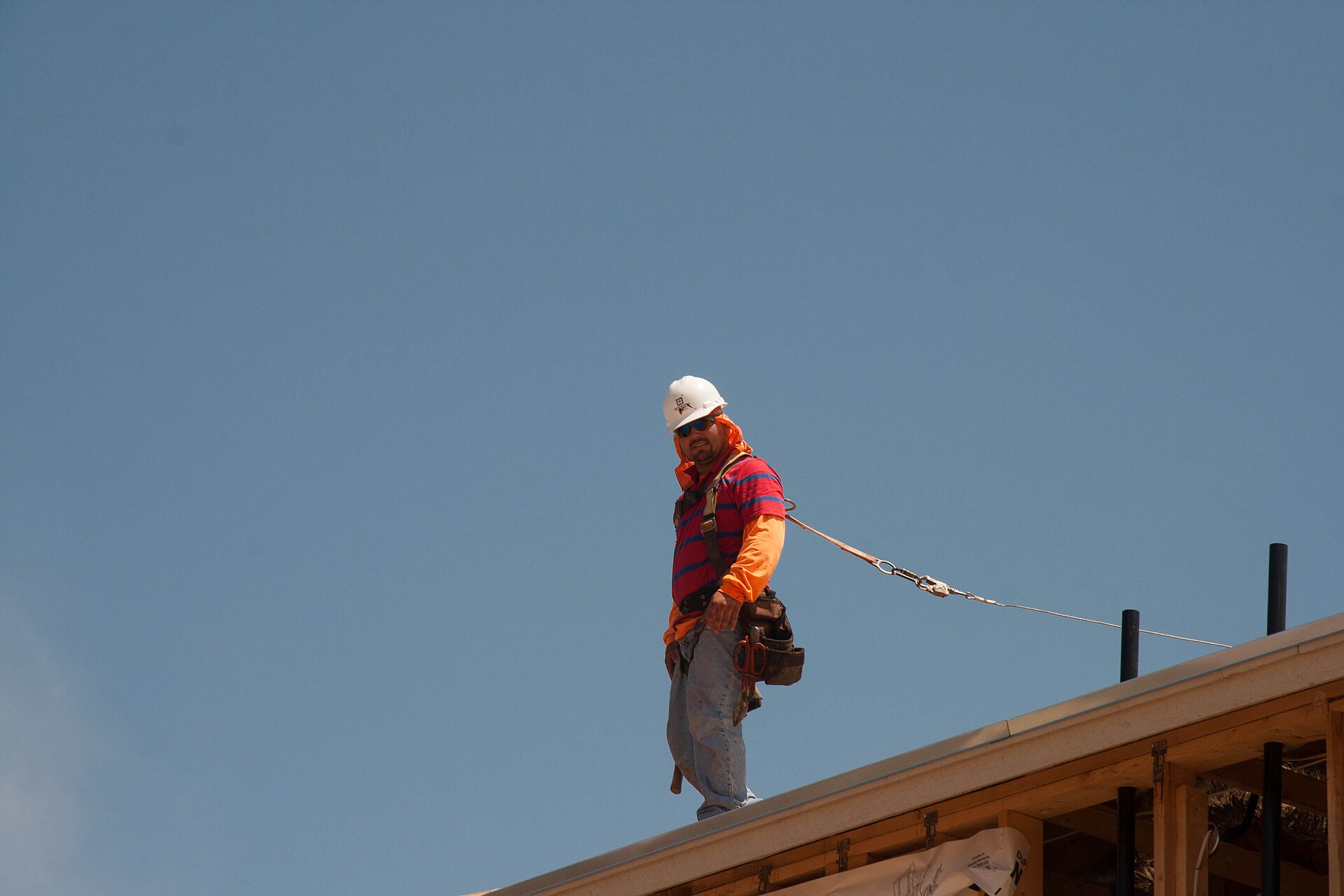
High-risk construction work has its own paperwork discipline. If the job is in that list — a risk of a fall of more than two metres, powered mobile plant, excavation deeper than 1.5 metres, and the rest — you need a safe work method statement, not a generic matrix. That sits with high-risk work and supervisor duties, not in a corner of the office risk register.
Consultation is part of the assessment
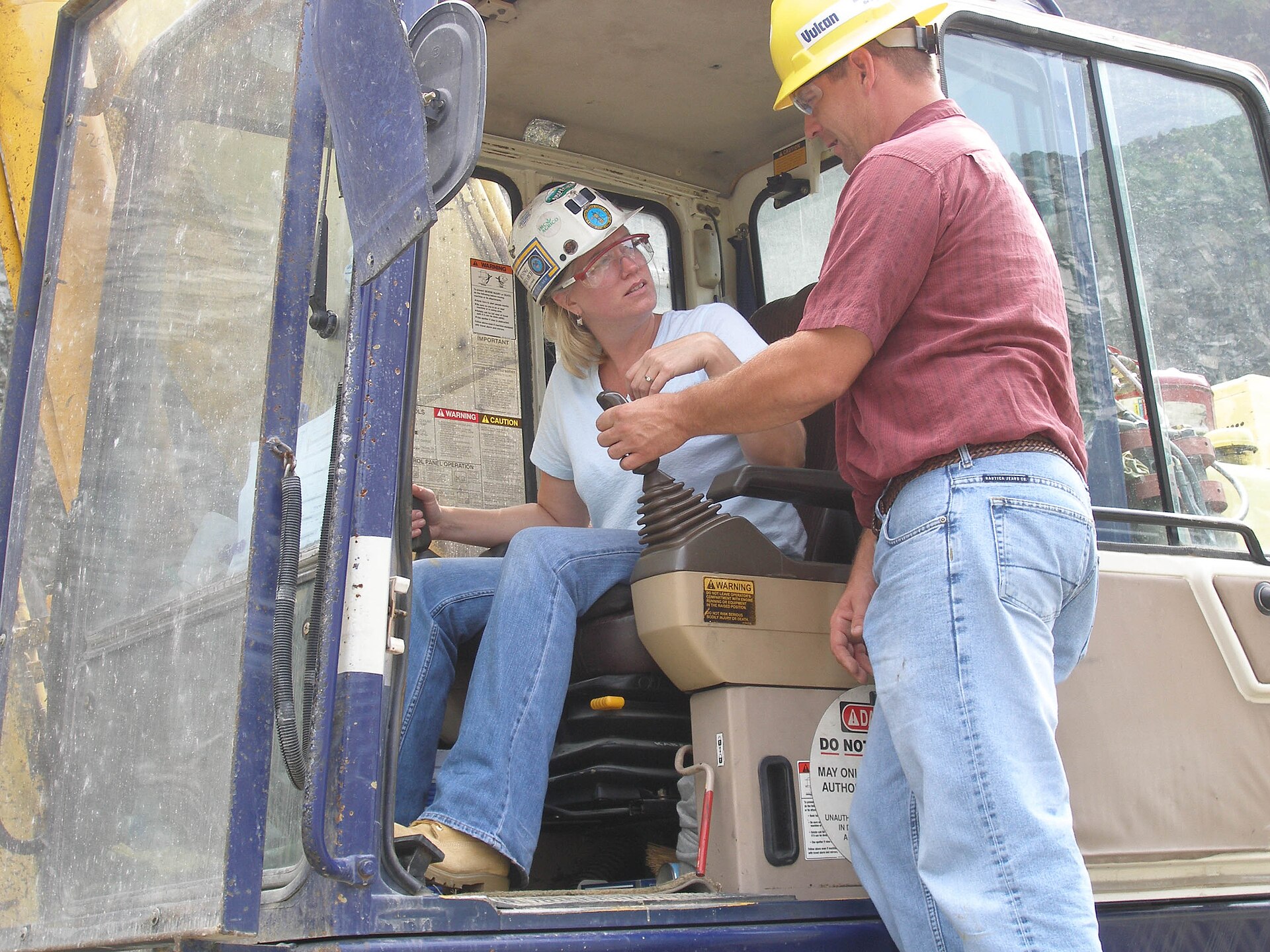
The model Act requires consultation when you identify hazards, decide on controls, and change the work. Workers see the unofficial method. Health and safety representatives, where you have them, are entitled into that conversation. A risk assessment written by a consultant who never spoke to the afternoon shift is a document, not a consultation.
How you consult matters as much as the minutes — see WHS consultation that workers will actually trust. The test is whether the people who do the task recognise their work in the write-up. If night staff say the slings live on another floor, that fact belongs in the assessment.
Psychosocial hazards belong in the same process. Job demands, low control and aggression are hazards, not a wellness sidebar. Psychosocial hazards at work walks through the model code. If you assess only the hoist and not the roster that makes the hoist unusable, you have assessed half the job.
Write a record someone else can use
The record has one job. A person who was not in the room should be able to see the hazard, the people exposed, the controls you chose, the controls you rejected and why, who does what, and when you will look again. That person might be a new supervisor, an auditor, an insurer, or a regulator after an incident.
Avoid three common fakes. The first is the copy-forward register: last year's rows with this year's date. The second is the unreadable matrix: every task is "medium" and every control is "training". The third is the orphan action: a beautiful assessment with a control that nobody owns and nobody has bought.
Name the people. "Warehouse manager to mark and keep the pedestrian aisle clear; review after the next labour-hire intake." is an action. "Improve culture" is a wish.
If the work is done at home, the same duty applies and the same record is needed, adjusted for what you can actually see. That problem is worked through in working from home WHS obligations.
Workplace examples that do not fit one form
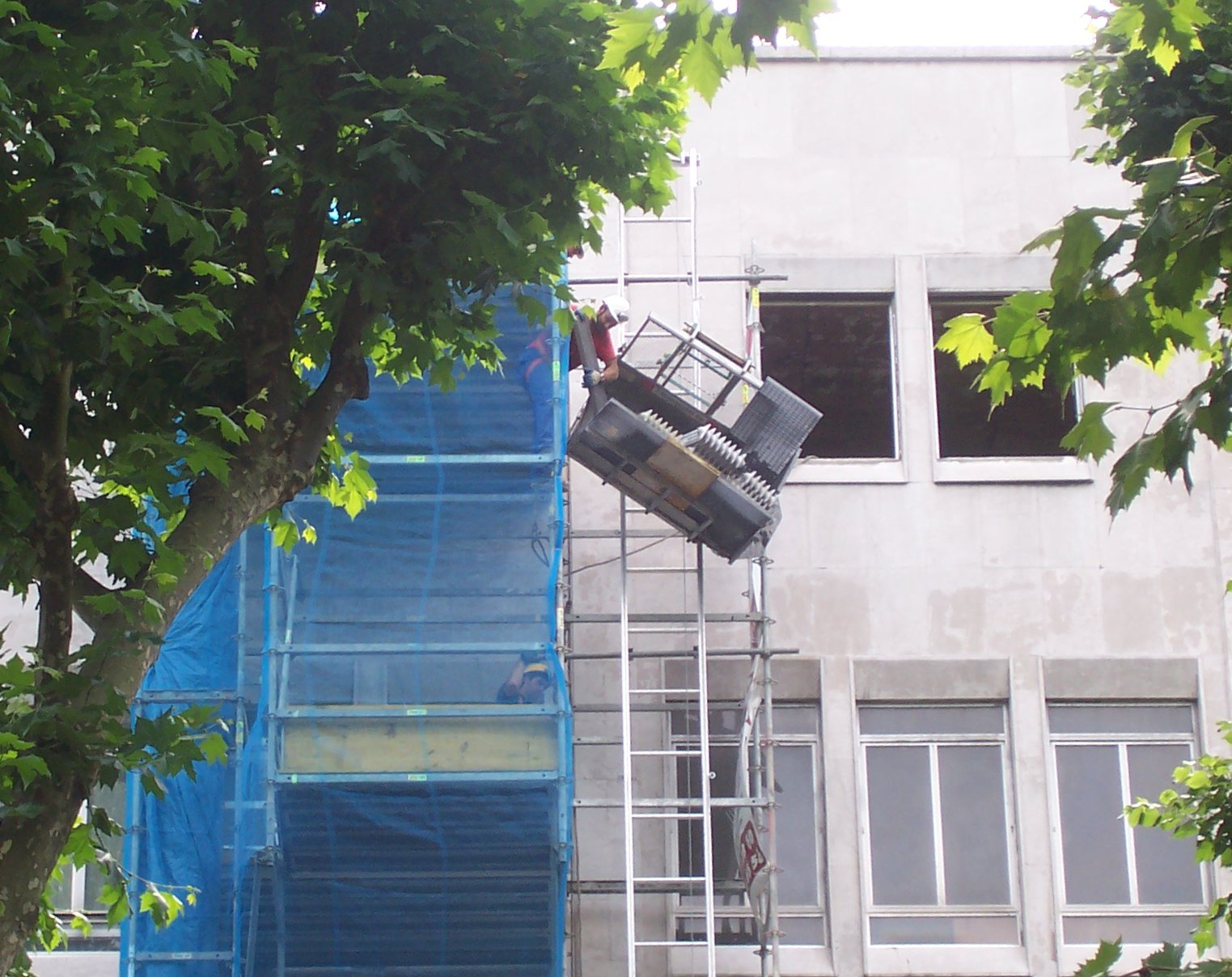
Construction. The fall hazard is obvious in the photograph and easy to miss in the sequence. Follow the build: when the void exists, when a platform would remove the harness, and which PCBU is allowed to lift the cover.
Aged care. If the ensuite is too small for the hoist and a second carer, "use two staff" is already broken. The control may be another bathroom, another sling, or a redesign — not a posture poster.
Warehousing. A dock that mixes trucks, pallet jacks and labour-hire pickers is a traffic problem. Barriers, exclusion times and a rule about where empty pallets live are controls an inspector can see. A "be aware of forklifts" sign is what you put up when you have not finished.
Offices and hospitality. A reception desk that faces an angry public is a security and psychosocial problem. A Saturday pass that cannot stay dry is not the same job as Monday lunch. Assessing only monitor height, or only weekday service, is how these assessments become a joke.
A compact record that still holds up
| Field | What to write | What to avoid |
|---|---|---|
| Task and location | The real task, shift and place (night ensuite, afternoon dock, Saturday pass) | "Manual handling — site wide" |
| Hazard and who is exposed | The harm, including psychological harm, and every group including labour hire and visitors | Staff only |
| Current controls and gaps | What is actually used, and when it is skipped | The procedure as if it were the practice |
| Chosen controls | Hierarchy first; name the owner and the date | "Training and PPE" as the whole answer |
| Review trigger | A change in the work, an incident, a failed control, a date you will keep | "Annually" on a job that changes weekly |
After the form is filed
A risk assessment is a decision, not a decoration. If the control needs a second person, the roster has to produce one. If it needs a dry floor, the sequence has to include drying time. If it needs a ticket, someone has to check the ticket before the plant starts.
When something still goes wrong, the assessment is one of the first documents anyone competent will ask for. That is why this guide sits with incident reporting and investigation. Review when the labour-hire mix changes, the void is cut, staff say the hoist is unused, or a near miss shows the walkway is a storage lane. The inspector is not looking for a brand of software. They are looking for a mind that engaged with the work.
Frequently asked questions
Do I need a risk matrix for every task?
No. A matrix is a way to talk about likelihood and consequence. It is not required by the model WHS Act. What is required is that you identify hazards, choose controls so far as reasonably practicable, and be able to explain the reasoning. A two-line note that names the hazard and the control is often stronger than a colour-coded sheet nobody can defend.
How often should a risk assessment be reviewed?
Review when the work changes, when a control fails, after an incident or near miss, when workers tell you the method is wrong, and at a planned interval you can actually keep. An annual desktop review of a live construction sequence is theatre. A review after the void is cut is work.
Does Victoria assess risk differently?
Victoria still uses the Occupational Health and Safety Act 2004, but the method is familiar — identify hazards, assess risk, control so far as reasonably practicable, review. Use WorkSafe Victoria language on Victorian paperwork. Do not import a PCBU header and a New South Wales code citation onto a Geelong procedure.
Keep reading in this hub
High-risk work and what supervisors need to know
4 March 2025
Licences, safe work method statements and the live duties of the person who can actually stop the job — on construction sites, in warehouses and anywhere plant and gravity share the work.
Read the high-risk work and what supervisors need to know guide
Working from home: WHS obligations that still apply
20 January 2025
A home office is still a workplace under the model WHS Act. This guide covers what a PCBU can reasonably do when the work is in a spare room, a kitchen table or a regional rental.
Read the working from home: whs obligations that still apply guide
WHS consultation that workers will actually trust
7 October 2024
The model WHS Act requires consultation when you identify hazards and change the work. This is how to do it so people still speak up after the meeting ends.
Read the whs consultation that workers will actually trust guide