Working from home: WHS obligations that still apply
A home office is still a workplace under the model WHS Act. This guide covers what a PCBU can reasonably do when the work is in a spare room, a kitchen table or a regional rental.
By Clare Dunstan, WHS editor. Published 2025-01-20. Updated 2026-08-03.
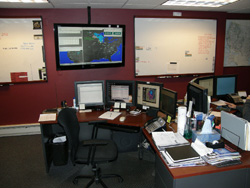

The photograph is an office. The argument started when the same work moved to a spare room, a kitchen table, or a laptop on the end of a child's bed. Under the model Work Health and Safety Act the location changed. The duty did not. A PCBU still has to ensure, so far as is reasonably practicable, the health and safety of workers and other people put at risk by the work. Other people, in a house, can include children, housemates and anyone who trips on the lead you supplied.
Victoria still uses the OHS Act 2004. The nouns are employer and workplace rather than PCBU, but a Victorian employee working from a Geelong spare room is still within the duty. Write the paperwork the way WorkSafe Victoria writes it.
Safe Work Australia has published working-from-home guidance. Use it. This piece sits with the other workplace health and safety guides and does not replace that material. It is not legal advice and it is not a product. If a citation is wrong for your jurisdiction, send it through contact. We correct material errors under the editorial standards.
Reasonably practicable when you cannot see the kitchen
Reasonably practicable is still the same test: likelihood, degree of harm, what you know or ought to know, available and suitable controls, and cost last. What you know is the part that changes. You ought to know that kitchen chairs, dining tables, poor lighting, isolation, family violence, and after-hours messaging are foreseeable in home work. You do not automatically know the layout of every rental in regional Western Australia.
That is why consultation and a genuine set-up conversation matter more here than a surprise site inspection would. You ask, you look at photographs or a video walk-through when the worker agrees, you supply equipment, and you keep asking when the work or the house changes. You do not demand a drone tour of a person's home as a show of toughness. You also do not take "I'm fine" as a risk assessment.
Workers share the space. They must take reasonable care, follow reasonable instructions and cooperate with reasonable policies. A reasonable instruction is "do not run the supplied powerboard under a rug". An unreasonable one is "guarantee that no child will ever enter the room". Design the arrangement so the work can be done without turning the house into a pretend warehouse.
What you can see, supply and decide
Start with the task, not the furniture catalogue. A claims officer on back-to-back calls has a different exposure from a designer, an aged-care rostering clerk who works early and late, or a warehouse planner on Fridays. The hazards follow the task.
A risk assessment that holds up can be short: chair, screen, keyboard, lighting, leads, how they get help if they are alone, and the psychosocial load. Write the unofficial set-up. Plenty of people still work from a sofa for "just this week" in the third year. Supply the chair and monitor the assessment names. Telling people to "set themselves up ergonomically" without equipment is an administrative control pretending to be a design control.
Decide the work design. Hours, expected response times, whether cameras are on, how performance is measured, who can call after 7 p.m., and whether the person has a right to be unavailable. Those decisions are psychosocial controls. They belong with psychosocial hazards at work, not in a wellness PDF.
Isolation, family violence and other people in the house
Remote and isolated work is a named psychosocial hazard in the Safe Work Australia model code. A person in a regional rental who has not spoken to a colleague for a week is isolated even if they have Slack installed. Check-ins have to fail loud. A weekly email that says "hope you're well" does not. A named buddy, a team huddle the person can actually attend, and a rule that managers notice silence are closer to a control.
Family and domestic violence can be a WHS issue when the home is the workplace. You will not see all of it. You can still have a way for a worker to say they cannot work safely from that address today, to move work back to an office or another site, and to keep that conversation off the open channel. Do not write a policy that forces people to disclose more than they need to in order to be safe. Do not ignore a report because it is "private".
Other people in the house can be put at risk by the work. A trailing lead, a work chemical from a home visiting role, a confidential call on speaker in a kitchen, a visiting nurse's bag left where a child can reach it. Aged-care and disability workers who start or finish the day at home sit in this overlap. So do hospitality managers doing rosters at the kitchen table after a late close. The PCBU's duty to others does not stop because the floor is residential.
Consultation when nobody is in the crib room
The duty to consult still triggers when you identify hazards, choose controls and change the work. WHS consultation that workers will actually trust is harder on a video call, not optional. Hybrid teams split: the people in the office see the manager, the people at home see a tile. If you change a metric, a roster or a tool, the home group is directly affected and has to be in the conversation before the change.
Health and safety representatives still represent home workers in their work group. Incident reporting still applies. A trip on a supplied lead, chest pain after an impossible week, a threat during a call taken in a spare room — those belong in incident reporting and investigation. You will not preserve a kitchen the way you preserve a trench. You can still photograph the set-up with consent, record what equipment was supplied, and look at the work design rather than closing the file with "home environment — worker's responsibility".
Officers exercising due diligence should see more than a count of signed checklists. They should see whether equipment was actually delivered, whether after-hours traffic is rising, whether isolated workers are silent, and whether hybrid decisions are being made only by the people in the room.
How this looks outside a city office
Offices. Sofa work, laptop only, 14-hour Teams days, and a manager who treats green status dots as attendance.
Aged care and community care. Coordinators take handovers from home. The hazard is confidential information in a shared house, midnight rostering pings, and escalation with no second person.
Warehousing and hospitality. Planners who change a pick-rate from home without walking the aisle are a decision-making hazard. Managers who do wages at the kitchen table after service are a fatigue cluster. That work can wait for a rostered office hour.
Construction. Site work does not move home. The scheduler who compresses a roof task from a dining table is still part of the high-risk work story.
Who does what, without passing the duty
| Topic | PCBU (or Victorian employer) | Worker | What "signed checklist" cannot do |
|---|---|---|---|
| Work area and equipment | Assess with the worker; supply suitable gear; review when the house or the task changes | Use the gear; say when the set-up changes or hurts | Transfer the primary duty |
| Hours and availability | Set hours, response expectations and a right to be off | Work the agreed hours; flag overload early | Fix a metric that never sleeps |
| Isolation and other people | Check-in that fails loud; allow a move off-site if the house is unsafe | Keep agreed contact; keep work objects out of children's reach | Be replaced by a wellness app |
| Incidents | Investigate work design and supplied gear; notify if required | Report injuries, threats and near misses | Close the file as "not our workplace" |
What to do with the arrangement you already have
If people have been at home for years and you have never looked at the set-up, you are behind the duty. Pick a team. Send the chair the checklist already flagged. Write after-hours expectations in words a person can quote back. Put home workers into the same incident and consultation channels as the office.
Do not build a second, softer safety system. Eliminate the after-hours expectation where you can. Substitute a desk for a dining table. The spare room will never look like the office in the photograph. It has to be a workplace you have thought about, equipped, and kept in the conversation.
Frequently asked questions
Does the WHS duty stop at the office door?
No. If a worker is working from home, that location is a workplace for the work they are doing. The PCBU still has to ensure health and safety so far as is reasonably practicable. What is reasonably practicable changes because you do not control the house the way you control a warehouse, but the duty does not switch off.
Can I just get the worker to sign a checklist?
A checklist can help you see the set-up. A signature does not transfer the primary duty. If the checklist flags a broken chair, a lead across a walkway or a person working alone through a night shift, you still have to deal with those hazards. Filing the PDF is not the control.
What about Victoria?
Victoria still uses the Occupational Health and Safety Act 2004. Employers and others with duties under that Act must still protect employees working from home so far as is reasonably practicable. Use WorkSafe Victoria’s current working-from-home guidance on Victorian paperwork rather than a model-WHS template with the logo swapped.
Keep reading in this hub
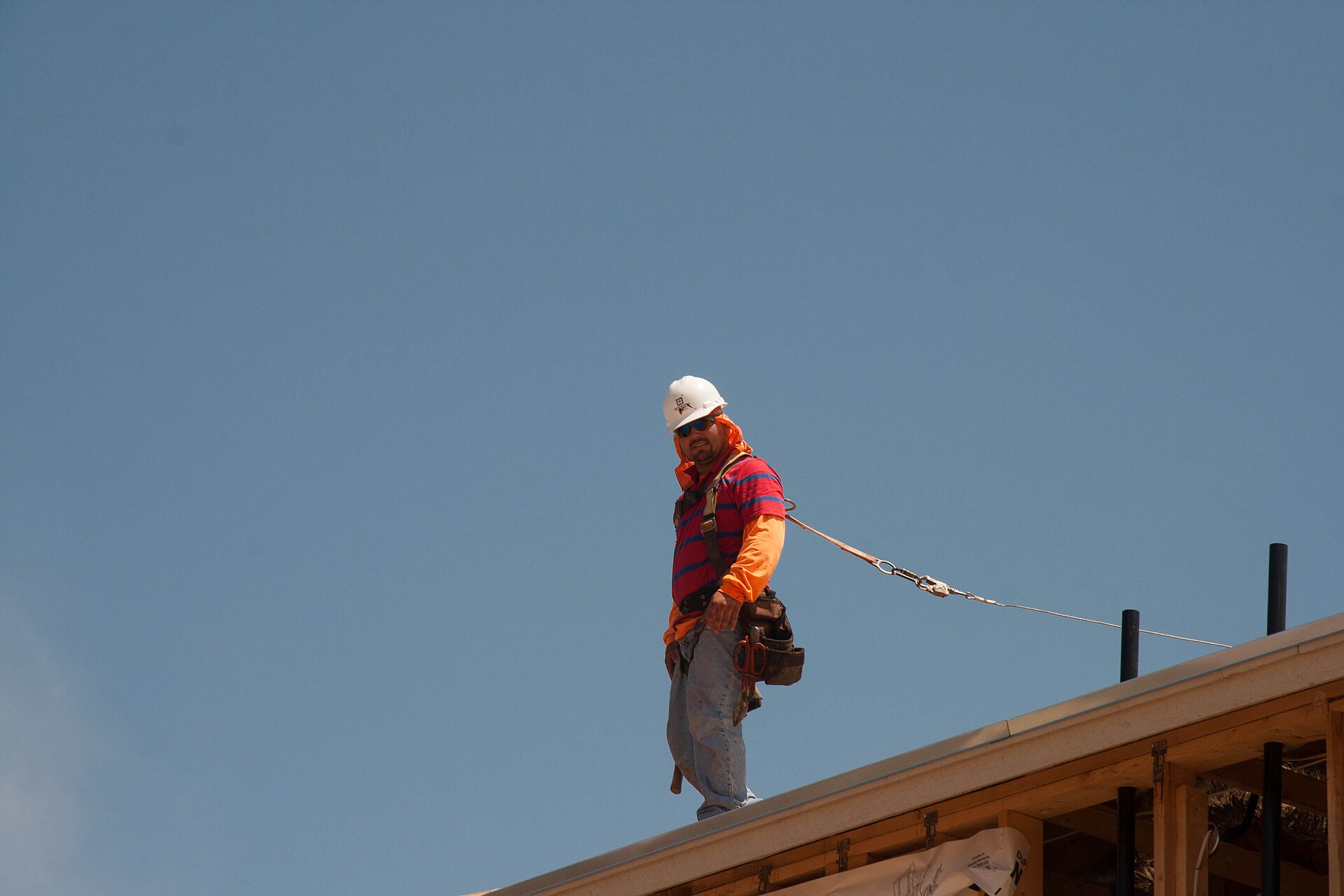
High-risk work and what supervisors need to know
4 March 2025
Licences, safe work method statements and the live duties of the person who can actually stop the job — on construction sites, in warehouses and anywhere plant and gravity share the work.
Read the high-risk work and what supervisors need to know guide
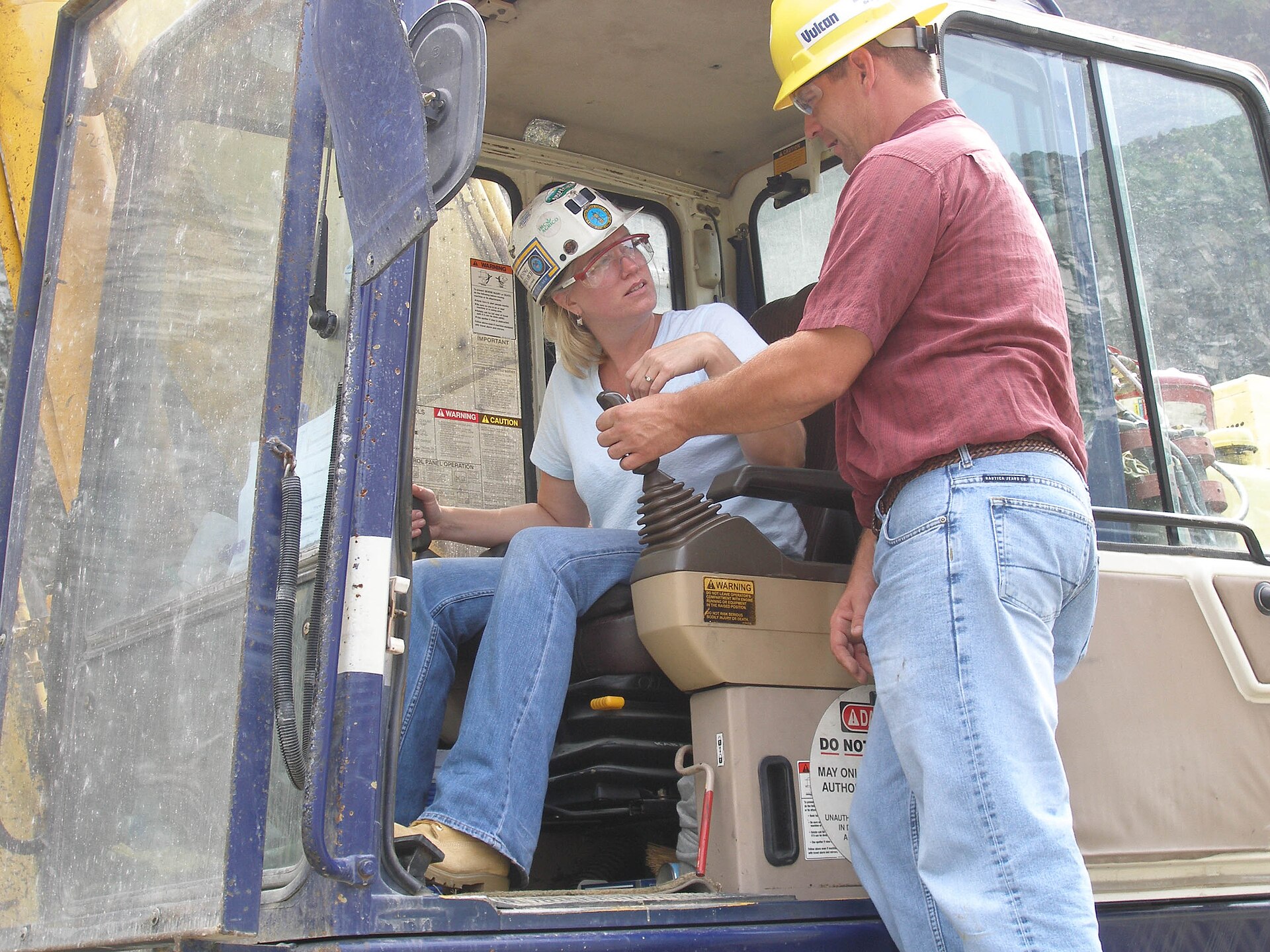
WHS consultation that workers will actually trust
7 October 2024
The model WHS Act requires consultation when you identify hazards and change the work. This is how to do it so people still speak up after the meeting ends.
Read the whs consultation that workers will actually trust guide
Incident reporting and investigation that actually improves safety
19 August 2024
How to get incidents and near misses onto the record, notify the regulator when the law requires it, and investigate systems instead of hunting for a careless worker.
Read the incident reporting and investigation that actually improves safety guide