High-risk work and what supervisors need to know
Licences, safe work method statements and the live duties of the person who can actually stop the job — on construction sites, in warehouses and anywhere plant and gravity share the work.
By Clare Dunstan, WHS editor. Published 2025-03-04. Updated 2026-09-01.
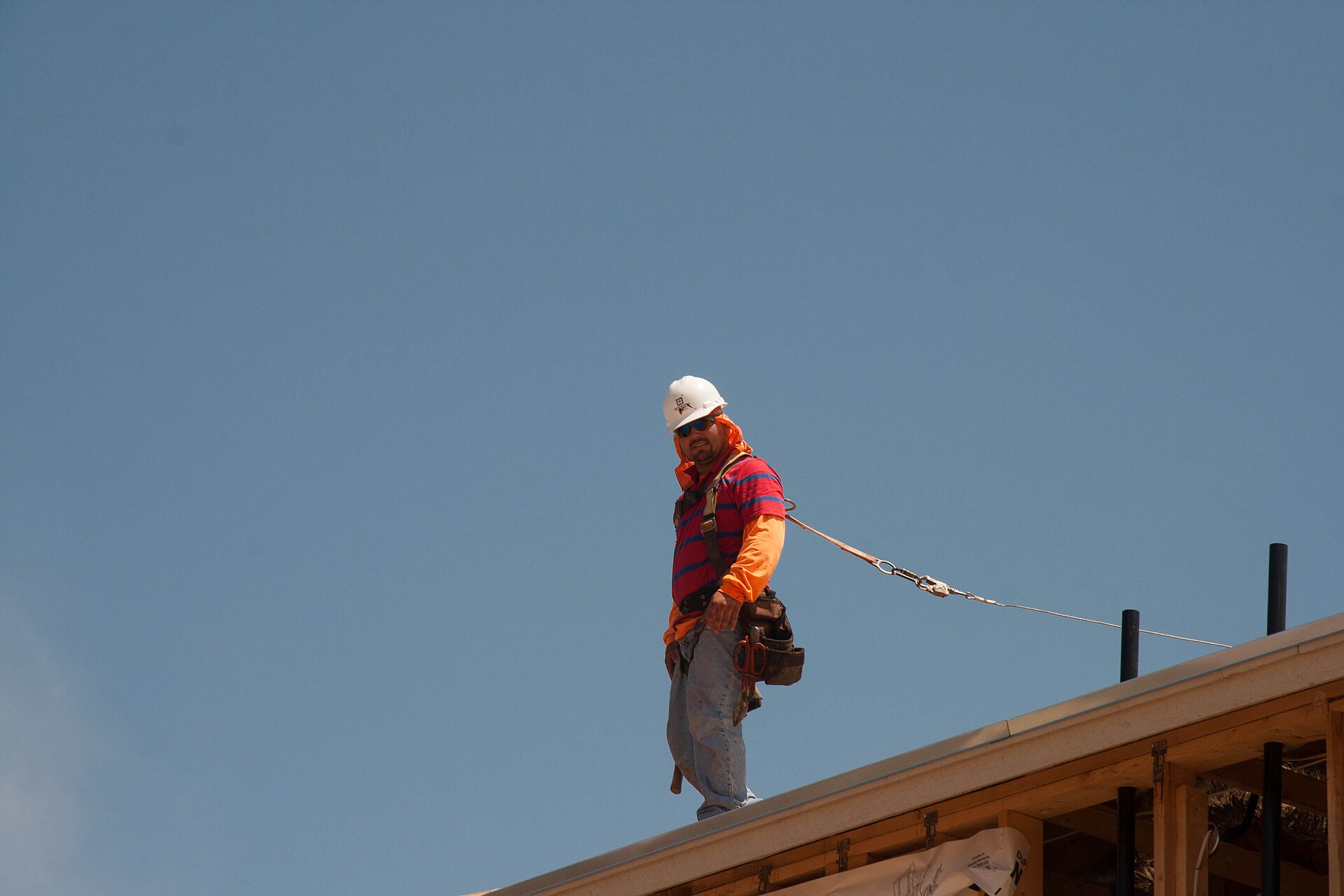

A worker on a residential roof in a fall-arrest system is doing work the law already knows can kill. The photograph looks like a product shot for a harness. The live question on that roof is whether anyone competent has thought about the sequence, the anchor, the edge, the weather and the right to stop. Under the model Work Health and Safety Act those thoughts belong to the PCBU first. They land, every hour, on the supervisor who can see the job.
High-risk work and high-risk construction work are not the same list. Supervisors need both, plus the ordinary duties that apply on a quiet Tuesday. Victoria still uses the OHS Act 2004 and the Occupational Health and Safety Regulations 2017. The licence plastic looks similar. The paperwork should still say WorkSafe Victoria on a Victorian site.
This guide is part of the workplace health and safety hub. It is general information. It does not replace the regulations or a licence assessment. If a class or a threshold here is wrong for your jurisdiction, send it through contact. We correct material errors under the editorial standards.
Two lists, one supervisor
High-risk work is a licensing regime. The model WHS Regulations schedule the classes: scaffolding, dogging, rigging, crane and hoist operation, reach stackers, forklift trucks, order-picking forklift trucks, pressure equipment, and the rest as your jurisdiction publishes them. A person must not carry out that work unless they hold the right licence (or they are in a lawful training arrangement). A PCBU must not direct them to.
High-risk construction work is a different list in the regulations: a risk of a person falling more than two metres, demolition, excavation deeper than 1.5 metres, powered mobile plant, work on or near energised electrical installations, and the other tasks your jurisdiction publishes. That work needs a safe work method statement before it starts. Check the current regulation rather than relying on memory.
A forklift in a Kewdale warehouse is high-risk work. It is not construction work. A carpenter on a first-floor frame with an open void is doing high-risk construction work. They may also be using plant that needs a licence. A boom-type elevating work platform on a commercial fit-out is often both. The supervisor's job is to know which list they are standing in, and not to treat a general induction as a licence.
What the supervisor actually owns
The supervisor is usually not the PCBU and is usually not an officer. They are the person who can stop the job, check the ticket, read the SWMS with the crew, and refuse the extra task the office just phoned in. If they cannot do those things, you do not have a supervisor. You have a messenger.
Before the work starts they should be able to answer, out loud: Who is the PCBU for this task, and who else shares it? Who is licensed for what? Who is in training and who is watching them? What does the SWMS say we will do, and does the plant on site match that method? What will make us stop — wind, a changed sequence, a missing cover, a tired operator, a visitor in the swing zone?
During the work they watch for drift: the void cover used as a platform, the forklift with a raised load, the harness clipped to something that will not hold, the scaffold tag nobody has the licence to alter. The licence said they were competent at assessment. The site is asking them to be competent under pressure.
After something goes wrong they hold the scene and start the notification clock if the event is notifiable — see incident reporting and investigation. Tidying a fall scene because the client is due is interfering with a site the regulator is entitled to see.
Licences, competence and the plastic card
Checking a high-risk work licence is a minimum, not a method. Look at the class, the expiry, the name and the photograph. Look at whether the work matches the class. A forklift licence is not a licence to sling a load. A basic scaffolding licence is not a licence to alter a hanging scaffold. Record the check. Then watch the first lift, the first bay, the first drive down the live aisle.
Competence is wider than the card. Fatigue, unfamiliar plant, a language barrier and a production bonus all change how a licensed person works. Labour-hire operators arrive with tickets and without your traffic plan. A construction induction card (the general induction many people still call a white card) is not a high-risk work licence. Victoria issues licences under its own regulations — check the Victorian class before the plant starts.
SWMS that a crew will still own at 2 p.m.
A safe work method statement is a description of the high-risk construction work, the hazards, the controls, and how the controls will be implemented, monitored and reviewed. It has to be prepared in consultation with the workers who will do the job. Consultation workers will actually trust is the difference between a signed last page and a method the leading hand will still use when the sequence changes.
Generic SWMS fail in predictable ways. They describe a house, not this house. They are signed on Monday for work that starts Thursday after two variations. They live in the shed while the work lives on the roof.
The supervisor's test is rude and useful: can I point at the step we are on? If the wind has come up, does this document tell me to stop? If another PCBU is about to start alongside us, does this method still work?
SWMS sit on top of a wider risk assessment, not instead of one. If the only control in both documents is "use PPE and take care", neither is finished. A harness is a last-line control. A platform, a guardrail, or a sequence that keeps people off the roof until there is an edge is the work you do first.
The same duties in places that are not a house frame
Construction. Voids, roofs, plant, excavations. Overlapping PCBUs are normal. The supervisor who cannot name the other supervisor on the shared edge is already behind. Production pressure is a psychosocial hazard that becomes a physical one on an unguarded roof.
Warehousing. Forklifts and order-pickers are licensed high-risk work. A supervisor who only checks tickets at induction is supervising a card. Pedestrians and truck drivers are other persons in the swing zone.
Aged care and hospitality. Ceiling hoists are not usually a licence class; they still hurt people when a two-person hoist becomes a one-person improvisation. Kitchens have few HRWL tasks and plenty of plant that maims. A duty manager who lets an untrained junior clear a jammed mincer is supervising high-risk behaviour without the label.
Offices. Hybrid supervisors still influence high-risk work when they schedule it. Compressing a roof task from a dining table is a WHS decision — see working from home WHS obligations.
A supervisor's pocket list
| Before the job | During the job | If it goes wrong |
|---|---|---|
| Confirm licence class and expiry against the actual task | Watch the first lift, drive, bay or edge | Help the person; make safe; do not tidy a notifiable scene |
| Confirm the SWMS matches this site, plant and sequence | Stop for wind, visitors, fatigue or a missing control | Notify through the PCBU; name labour hire and contractors |
| Name every PCBU and who can stop the shared work | Refuse the extra task that was not assessed | Rewrite the SWMS before the next shift |
What officers and PCBUs owe the supervisor
A supervisor cannot discharge a duty they have no resources for. If the SWMS needs a spotter and the budget does not, the PCBU has already decided. If the only praise on site is for finishing early, production pressure will win. A stop-work that has to be approved by three people after the void is open is not a stop-work.
Workers still owe reasonable care: use the method, carry the right licence, say when the method is impossible. A culture that mocks the person who refuses an unsafe lift is a consultation failure and a licensing failure at once.
Keep the two lists on one card. What needs a licence? What needs a SWMS? Who else is a PCBU? What will make us stop? The harness in the photograph is what you put on after those answers, not instead of them.
Frequently asked questions
What is the difference between high-risk work and high-risk construction work?
High-risk work is a licensing class in the model WHS Regulations — scaffolding, dogging, rigging, cranes, hoists, forklifts, pressure equipment and the rest of the schedule. High-risk construction work is a list of construction tasks that require a safe work method statement, such as a risk of a fall of more than two metres or work with powered mobile plant. A job can be both. A forklift in a warehouse is high-risk work without being construction work.
Does a supervisor have to hold the same licence as the operator?
Not always. The person doing the licensed work must hold the right class of high-risk work licence. The supervisor must be competent to supervise that work, check the ticket, enforce the method and stop the job. In some crews the supervisor also operates and must be licensed for that operation. A plastic card on a lanyard is not a substitute for watching the work.
How does Victoria treat high-risk work?
Victoria still uses the Occupational Health and Safety Act 2004 and the Occupational Health and Safety Regulations 2017. It licences high-risk work and requires safe work method statements for high-risk construction work, in Victorian language. Use WorkSafe Victoria’s licence classes and SWMS guidance on Victorian jobs rather than pasting a model-WHS header onto a Footscray site.
Keep reading in this hub
Working from home: WHS obligations that still apply
20 January 2025
A home office is still a workplace under the model WHS Act. This guide covers what a PCBU can reasonably do when the work is in a spare room, a kitchen table or a regional rental.
Read the working from home: whs obligations that still apply guide
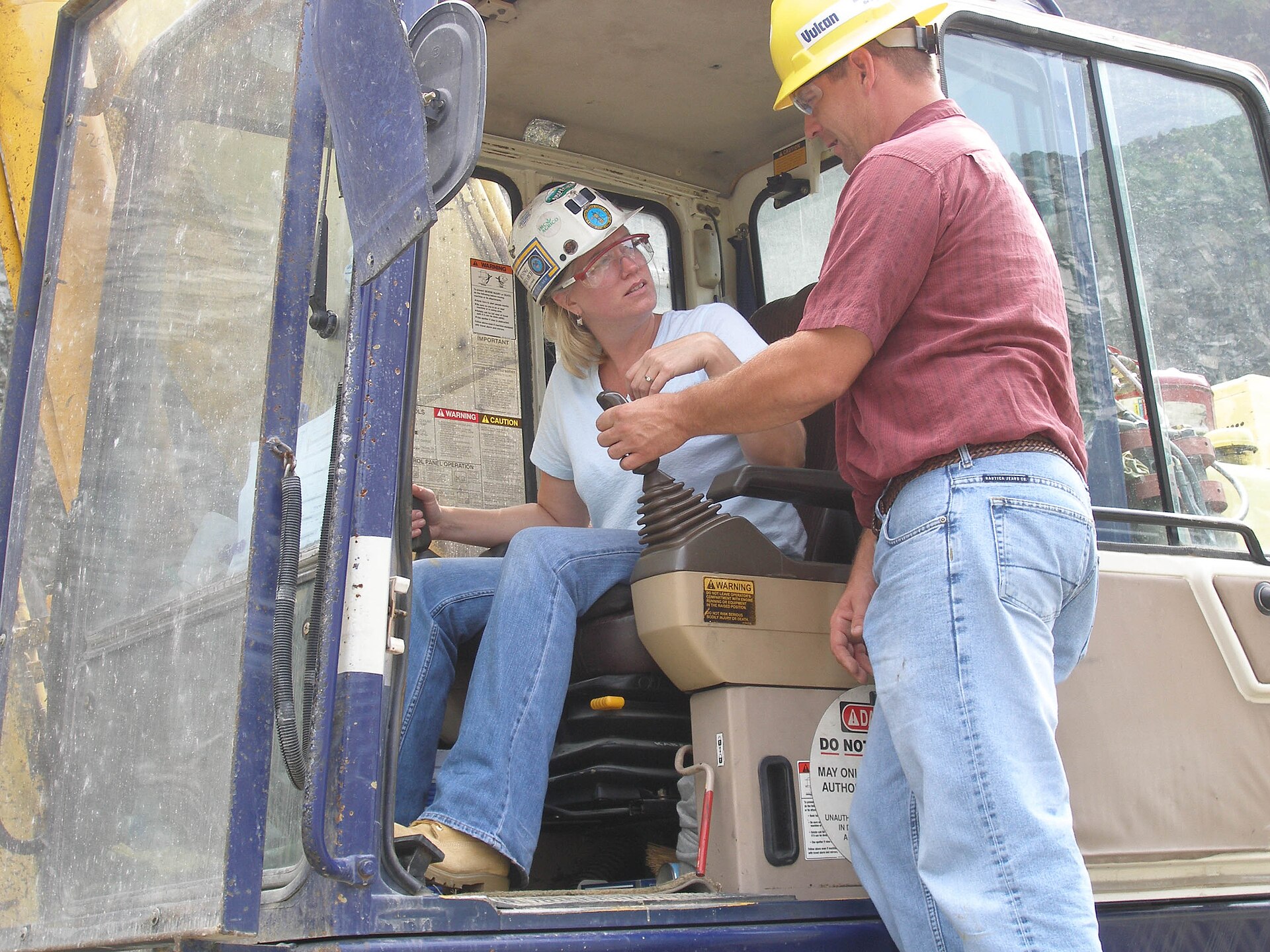
WHS consultation that workers will actually trust
7 October 2024
The model WHS Act requires consultation when you identify hazards and change the work. This is how to do it so people still speak up after the meeting ends.
Read the whs consultation that workers will actually trust guide
Incident reporting and investigation that actually improves safety
19 August 2024
How to get incidents and near misses onto the record, notify the regulator when the law requires it, and investigate systems instead of hunting for a careless worker.
Read the incident reporting and investigation that actually improves safety guide