Emotional intelligence at work, without the fluff
Emotional intelligence is useful when it changes what you do in the next conversation. It is not a personality type, a poster, or a reason to avoid a hard standard.
By James Okonkwo, Leadership editor. Published 2024-09-09. Updated 2026-05-11.
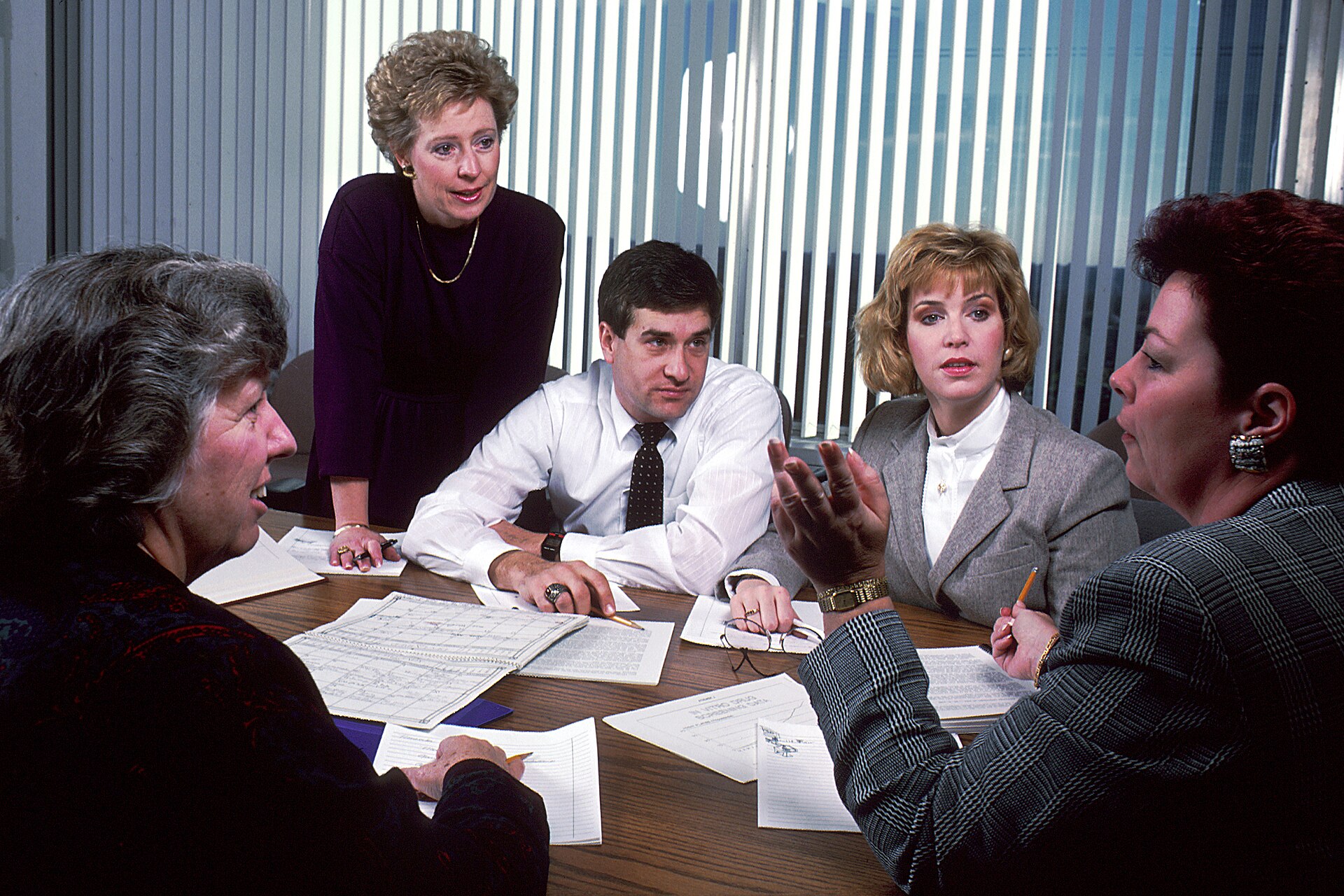

Emotional intelligence became a course topic because workplaces kept breaking on ordinary weather: a short tone after a near miss, a supervisor who hands a customer's anger to the closest casual, a leading hand who gets loud because they are frightened. The old vocational units asked people to recognise emotions and use that information at work. That is still worth doing. The fluff is the personality badge.
This guide is for people who do not have a wellbeing team. It belongs in leadership and management because the skill only matters if it changes the next conversation.
What it is, in a shed
At work, emotional intelligence is four practical moves.
- Notice what you are feeling before you act.
- Notice what the other person is likely feeling, without writing their novel.
- Choose a next sentence that fits the job, not your adrenaline.
- Repair quickly when you get it wrong.
That is the whole product. You do not need a colour profile. You do need to stop sending the 11 pm text that starts with "Mate, disappointed". On an Australian crew the topic is easy to mock because it has been sold as softness. It is not. A supervisor who stays level while they hold a standard is harder to work for in the useful way. A supervisor who cannot will explode or go silent, and both wreck work teams.
Notice yourself first, because you are the amplifier
Small teams take their weather from the person with the keys. If you walk in already furious about a supplier, the dock will be tense by 7.15 whether or not you name the supplier.
Name the state
Build a two-minute habit before you speak to people. Name the state in ordinary words: tired, rushed, embarrassed, scared, triumphant. Triumphant is as dangerous as angry. It is how owner-operators announce a new job the crew cannot staff.
If you are flooded — heart up, the urge to win — do not have the important conversation yet. Walk the yard. Then talk. The old unit language called this self-awareness. On a site it is "I am not doing this at the bench in front of the labour-hire lads".
Read the room without playing psychologist
You will not know what someone feels. You can see what they are doing. Delayed answers, a sudden quiet, a joke that is not a joke, a person who used to ask questions and has stopped. Those are signals to slow down, not to diagnose.
One clean question
Ask one clean question: "You have gone quiet — is this about the roster or about something else?" Then wait. Do not fill the silence with your theory.
Be careful with public reading. Naming someone's emotion in front of the crew is not insight. It is exposure. Take it off the floor.
A person who looks "flat" may be being careful in a second language, or come from a workplace where speaking up was punished. Do not call that disengagement until you have asked. If the signal is about safety — a freeze on a task, a crew laughing off a near miss — treat it as a work health and safety issue. Psychosocial hazards are in the model Code. Fatigue and aggression are not "soft".
Choose the next sentence
Once you have noticed the weather, you still have a job to do. If a standard has slipped, you still have the performance conversation. The skill changes the opening, not the requirement. "I want to talk about the two skipped pre-starts" is better than "I don't feel you're committed".
If a customer is shouting, step in. Do not match the volume and do not send the most junior person back with a script. If you are writing the week, do not load the same reliable person every time because they do not complain. That is how an operational plan becomes a document only the stoic can survive.
| Situation | Unhelpful move | Useful next sentence |
|---|---|---|
| You are embarrassed a job went badly | Joke about the person who was there | "That one is on my call. Here is what we do at 2 pm." |
| A casual looks like they might cry | Pretend you did not see | "Do you want five minutes, or do you want to stay on this and talk later?" |
| A leading hand is loud after a near miss | Tell them to calm down | "We are going to write what happened first. Then we talk tone." |
| You want to hire a mate | Ignore the tightness in your gut | "I will not decide this afternoon. The roster need is X." |
| A customer swears at the apprentice | Send the apprentice back | "I will take this. You go to bay 3." Then you return and debrief. |
Repair is a skill, not a personality trait
You will get it wrong. You will snap. You will send the short text. The test is what you do in the next hour, not whether you are a calm person in the abstract.
Repair is specific. "I was short with you at the hoist. The delay is not your fault. I should have said that at the time." Then stop. Do not add a paragraph about how busy you are. They already know.
Do it before the shift ends if you can. Do it once. Repeating the apology in front of an audience turns it into a performance.
Owner-operators often skip repair because they think the crew should understand the pressure. The crew understands the pressure. They are waiting to see whether the pressure has a dump valve that always points at them.
What the topic is not
It is not a reason to avoid conflict. Avoided conflict is how late starts become culture.
It is not a hiring filter you can score out of ten. When you are recruiting frontline staff, ask for a story: a time they had to tell a customer no, a time they disagreed with a supervisor. Listen for whether they can describe their own part.
It is not a substitute for controls. If people are being abused at the trade counter every Friday, you need a layout, a second person, a right to refuse the sale, and a record. It is not therapy. If someone is in acute distress, pause the work and point them to a real service. If you have an EAP, say so. Do not invent one.
Worked example: after a near miss in Wollongong
A community-care team runs two afternoon loops from a Wollongong depot. On a wet Tuesday, Linh reverses out of a steep driveway and clips a retaining wall. No client is in the car. She rings acting supervisor Dave from the street. Her voice is high. She says it is fine.
Dave's first feeling is anger: that driveway is on the "do not reverse" list. His second is fear — of the family, the coordinator, the insurer. If he rings from that mix, he will say "what were you thinking".
He does not. He asks if anyone is hurt, tells her to stay put, and says he is coming. In the car he names the state: scared, then angry. Facts and welfare first. The standard can wait until she is not on the roadside.
On site Linh says the morning coordinator changed the run verbally. That is a system hole as well as a driving decision. Dave still has a standard: no reverse on that drive. He says so once. He stands her down from driving that afternoon, writes the near miss, and talks to her privately the next morning about making the list unmissable. Then he talks to the coordinator. The feeling sequenced the conversations. It did not skip the standard and it did not humiliate Linh in the group chat.
If the client family later rings furious, Dave treats that as customer service from operations, not as a second performance review of Linh with an audience.
Build it into the week, not into a workshop
You do not need an offsite. You need three habits.
A personal pause before the conversations you already know will be hard. A private check-in with anyone who had a rough job, even if the job "went fine". And a rule that the person who received the anger does not have to smile for the rest of the shift.
Put those into the same place you put the roster. If you want a second reader on a messy situation, contact the editorial desk. We will not run a personality inventory. We will help you test whether the next sentence is useful.
Frequently asked questions
Is emotional intelligence just being nice?
No. It is noticing what you and other people are feeling in time to choose a useful next step. Sometimes that step is a hard standard, said privately and early.
Can I assess someone's emotional intelligence in an interview?
You can ask how they handled a specific conflict or a distressed customer. You cannot score a vibe. Prefer examples from their last job over a self-rating.
Does this replace WHS or HR process?
Never. Psychosocial hazards, bullying and fatigue still need controls, consultation and records. Emotional intelligence is how you speak in the moment, not the system.
Keep reading in this hub
Managing customer service when you also run operations
10 February 2025
When you own the roster and the customer promise, service is an operations problem. Write the rules the floor can use while you are under a hoist.
Read the managing customer service when you also run operations guide
Recruiting and retaining frontline staff in a tight labour market
18 November 2024
Frontline hiring in Australia is no longer a poster and a hope. Write the real job, pay the real rate, and stop losing people in the first six weeks.
Read the recruiting and retaining frontline staff in a tight labour market guide
Performance conversations that do not destroy trust
22 July 2024
You can tell someone their work is not yet good enough and still have them turn up tomorrow. The skill is specific examples, a private room, and no audience.
Read the performance conversations that do not destroy trust guide